In his film "Matchbox", Giannis Ekonomidis portrays the Greek family in Athens of 2002 as a closed system, a mechanism of violence, within which the primary method of communication is shouting, and all members communicate by inflicting violence upon one another.
His characters, entangled in a cycle of violence, shouting and cursing at each other without anyone actually listening. They are consumed by sadness, rage, and frustration, built upon a background of shattered dreams, financial insecurity, and ultimately, despair. Ekonomidis’s characters are not treated as individualities or independent psyches but, conversely, as functional positions within a closed system; As roles.
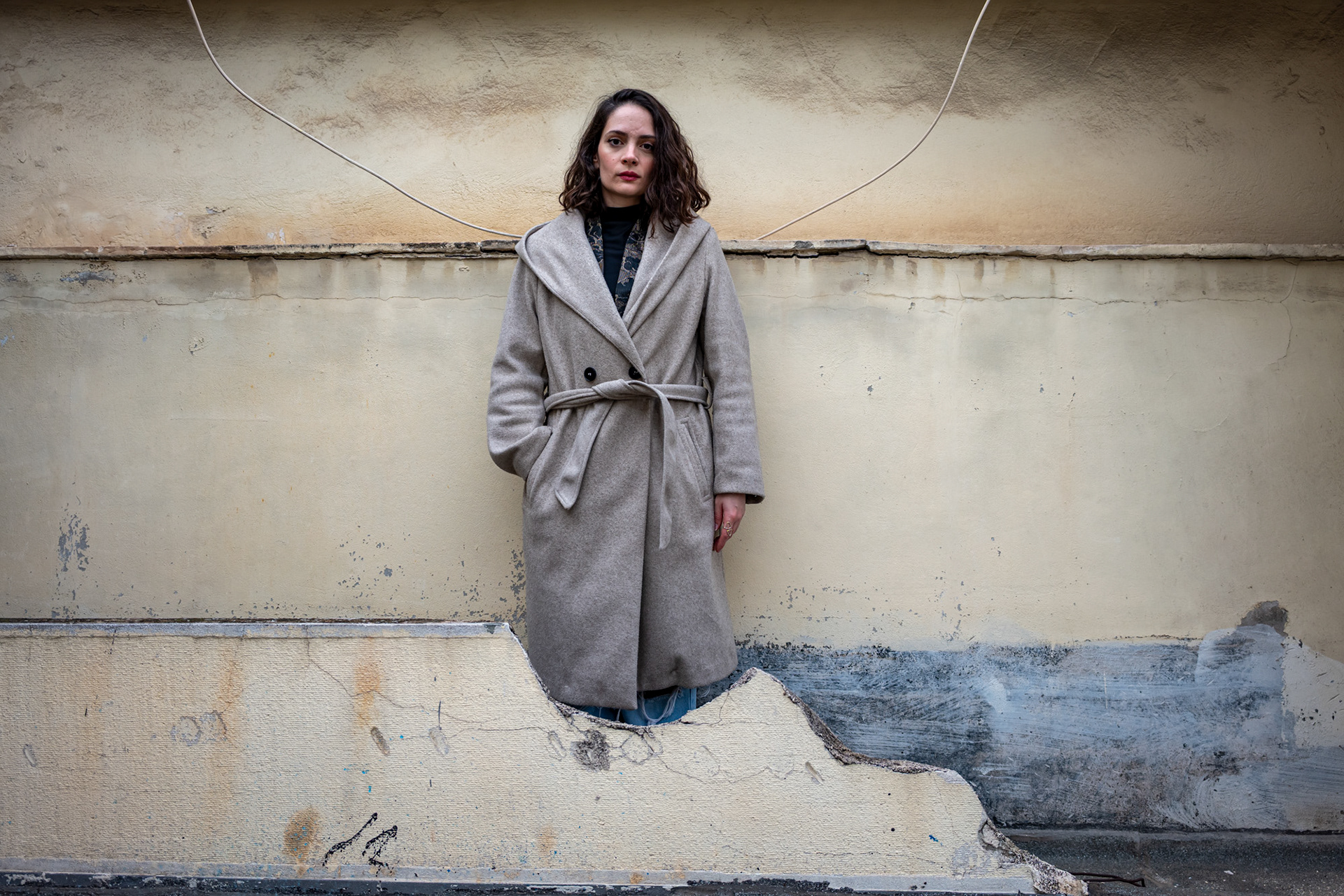
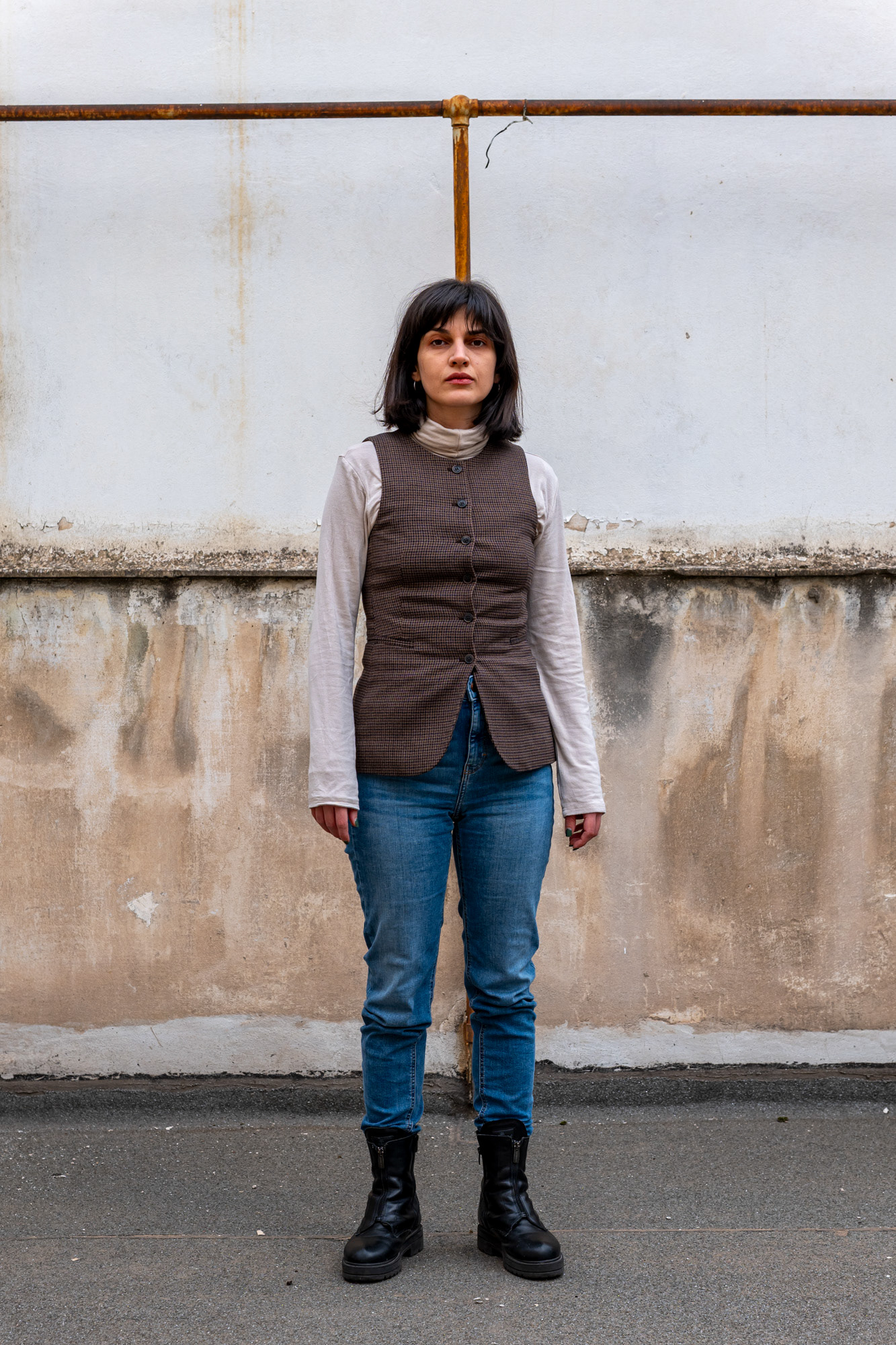
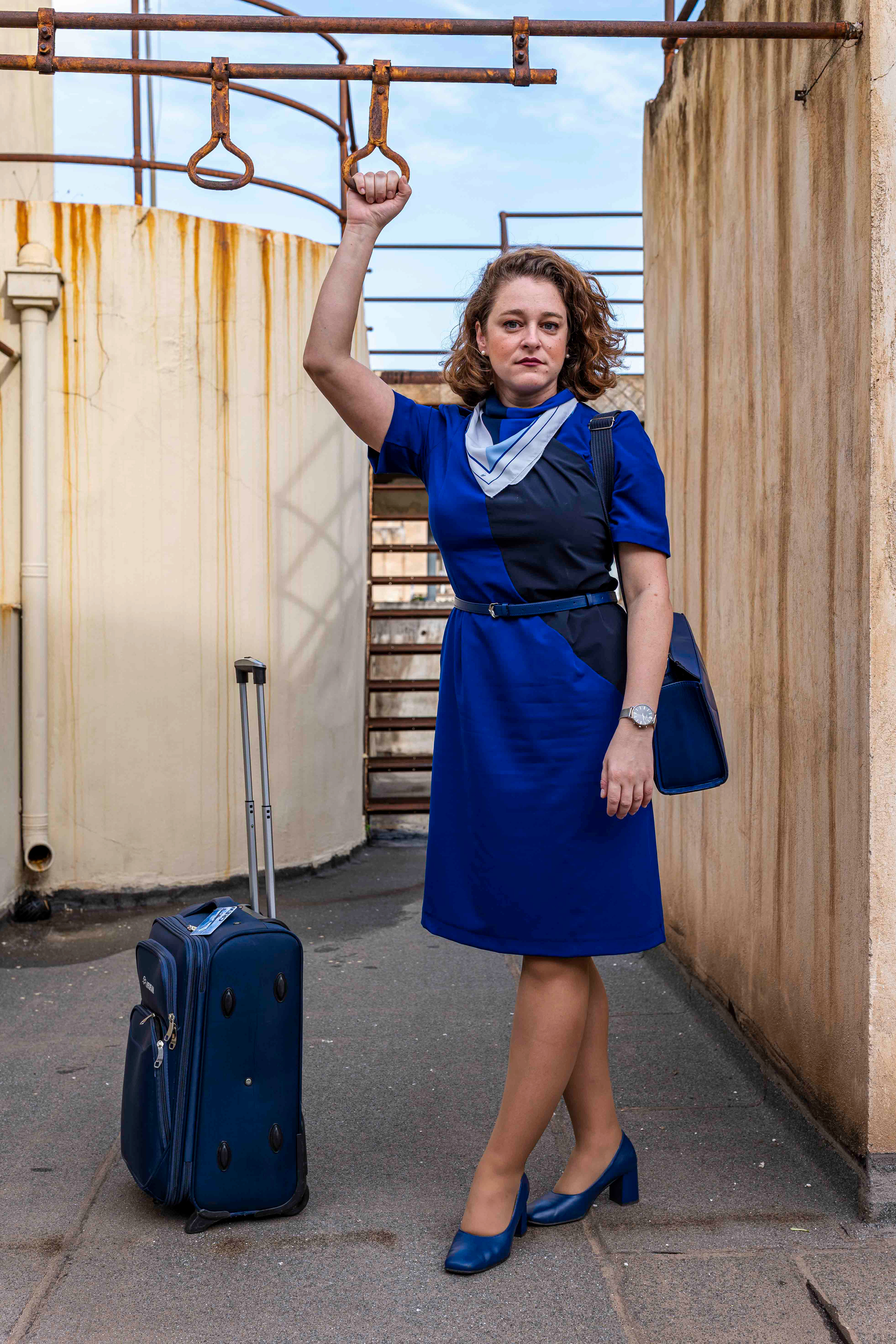
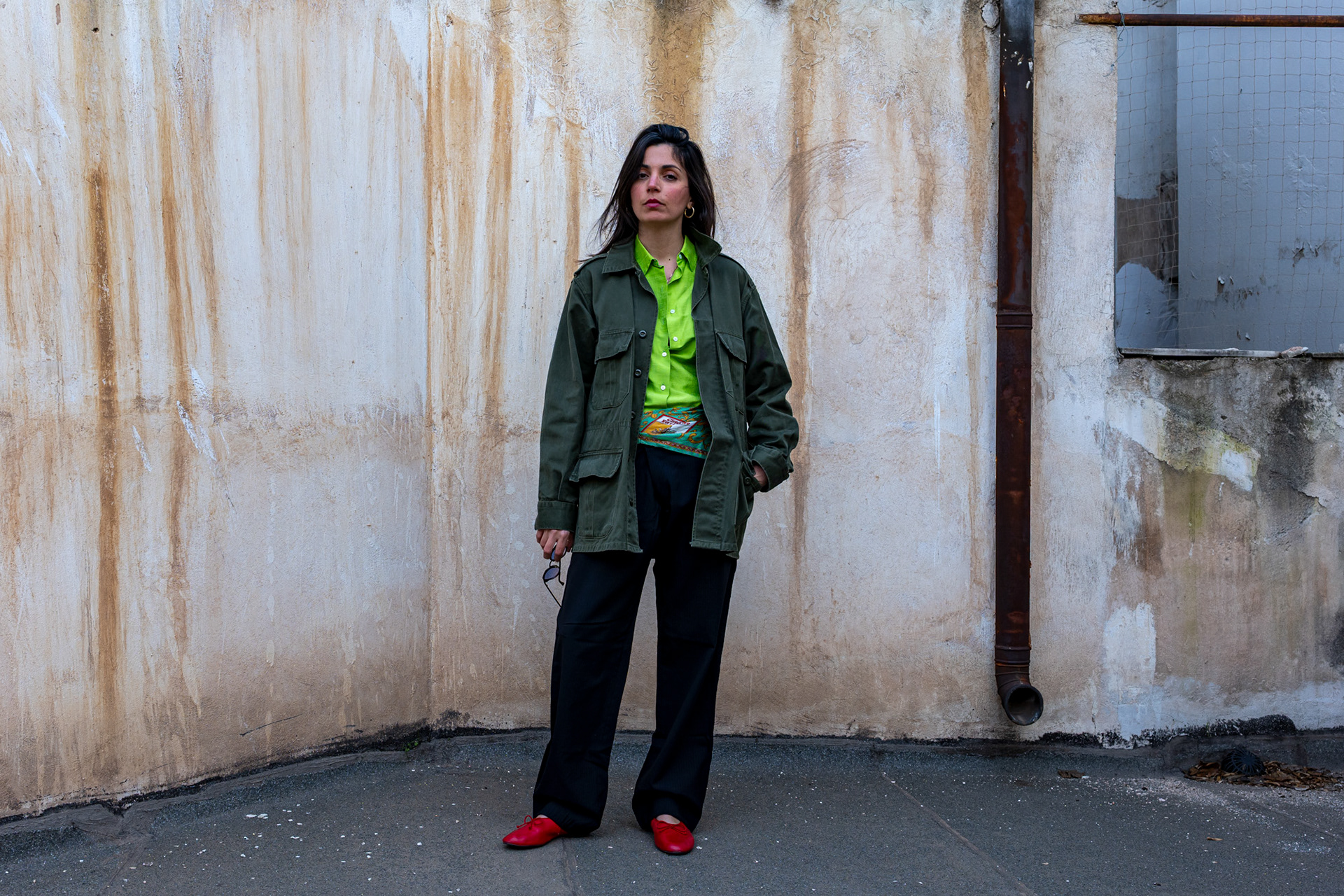
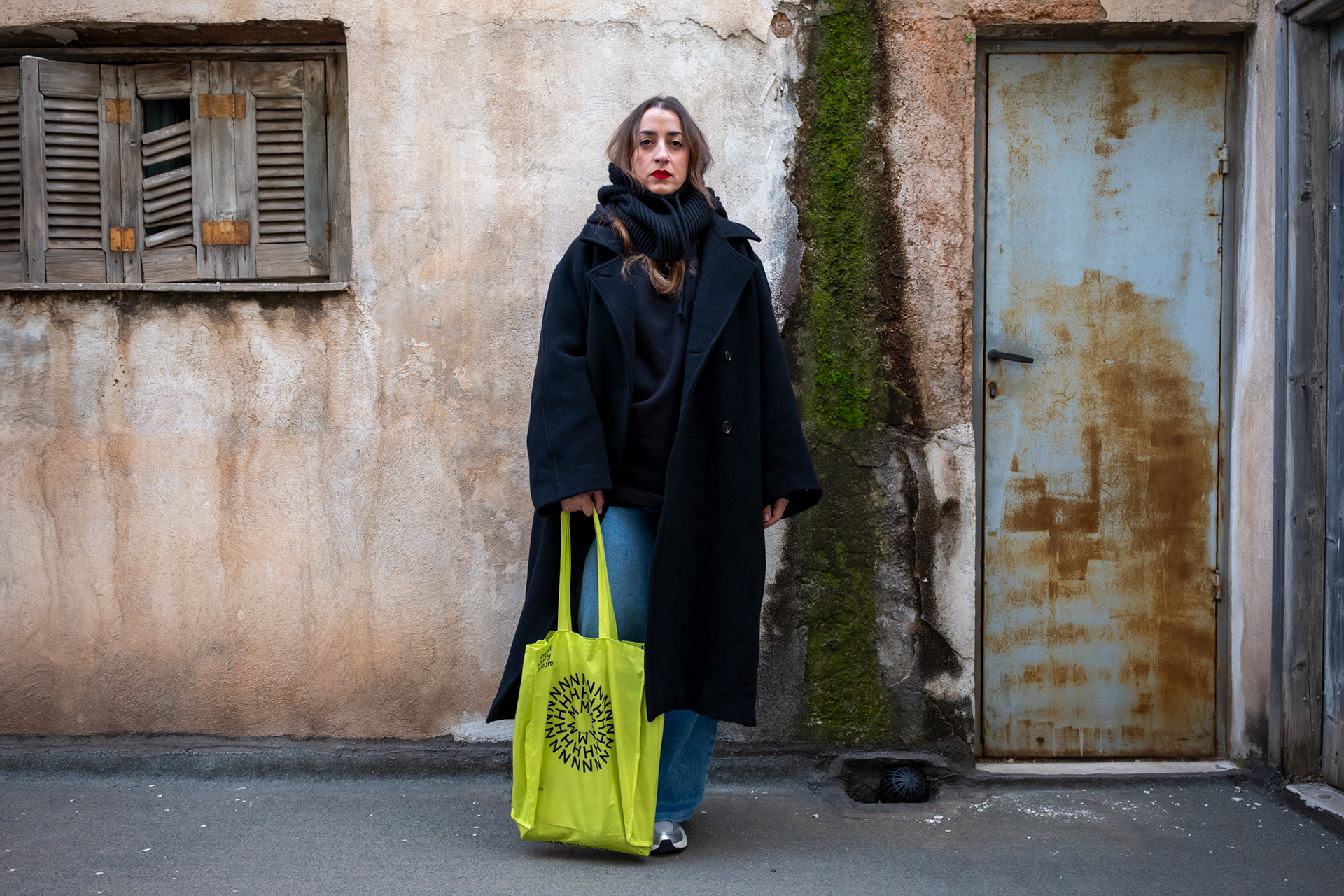
For this project, Proffessional therapists were chosen—people who, through their work, have continuous access both into the life within the Greek family and into the life of its members when they move within the city.
They were asked to reenact the struggle of Greek family members to exist as autonomous and self-sufficient personalities while moving through Athens of 2026 (outside the matchbox). Unavoidably the reality they experience whithin their homes on a daily basis (inside the matchbox) will inevitably bleed through.
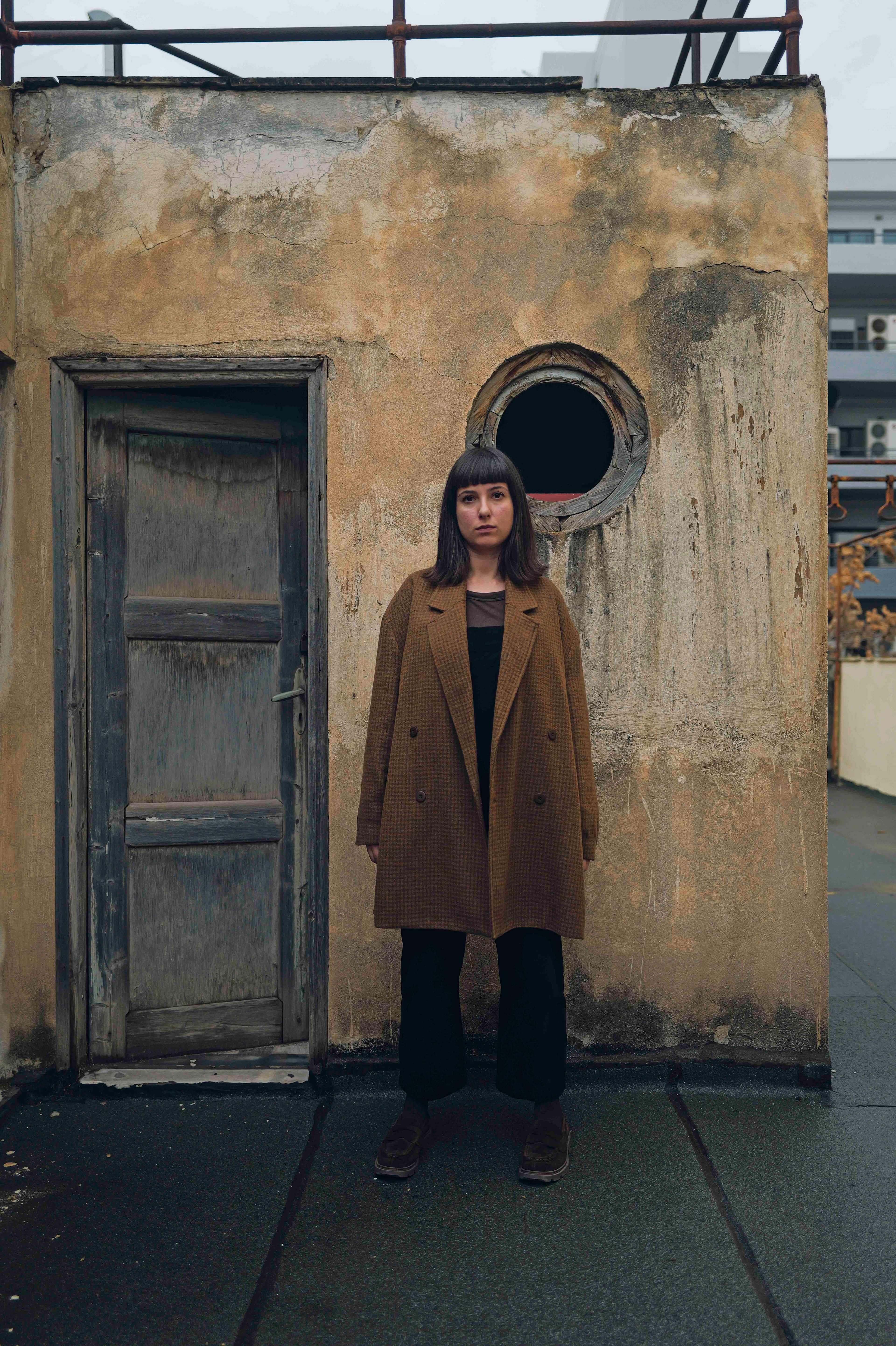
A rooftop (taratsa) was chosen as the primary setting for the photoshoots. Intricately interwoven with the urban life of Greeks in the post-dictatorship era, the rooftop carries multiple symbolisms: from a gathering point for residents who would go up to meet and eat due to the lack of courtyards in major urban centers, it also served as a symbol of resistance during the Polytechnic uprising where students would gather to protest. In the Covid Era, rooftops were used to throw parties, resisting the prohibitions that were enforced by the state.
Here it is used as the Space in between, the place that is at the same time part of the private space of our homes and part of the public space of our cities.
Taratsa is Currently a Work In Progress.